


























In almost every possible simulation that could have gone through a US policy maker’s head leading up to a war with Iran, the Strait of Hormuz closing was undoubtedly a factor.
20% of the entire world’s oil was trafficked through the strait prior to the latest conflict. And yet, it seems the Trump administration was caught off guard by the Iranians’ choice to close it after US and Israeli bombs fell.
Why are gas prices so high specifically?
Here in Arcata, prior to the war, the price of regular unleaded gas was at $4.10 to $5.30 a gallon. Now, after the United States and Israel started a war with Iran, prices in Arcata are between $6.00 and $6.38 a gallon. Why is this, outside of the simple fact that there is a war in the middle east?
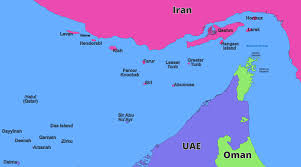
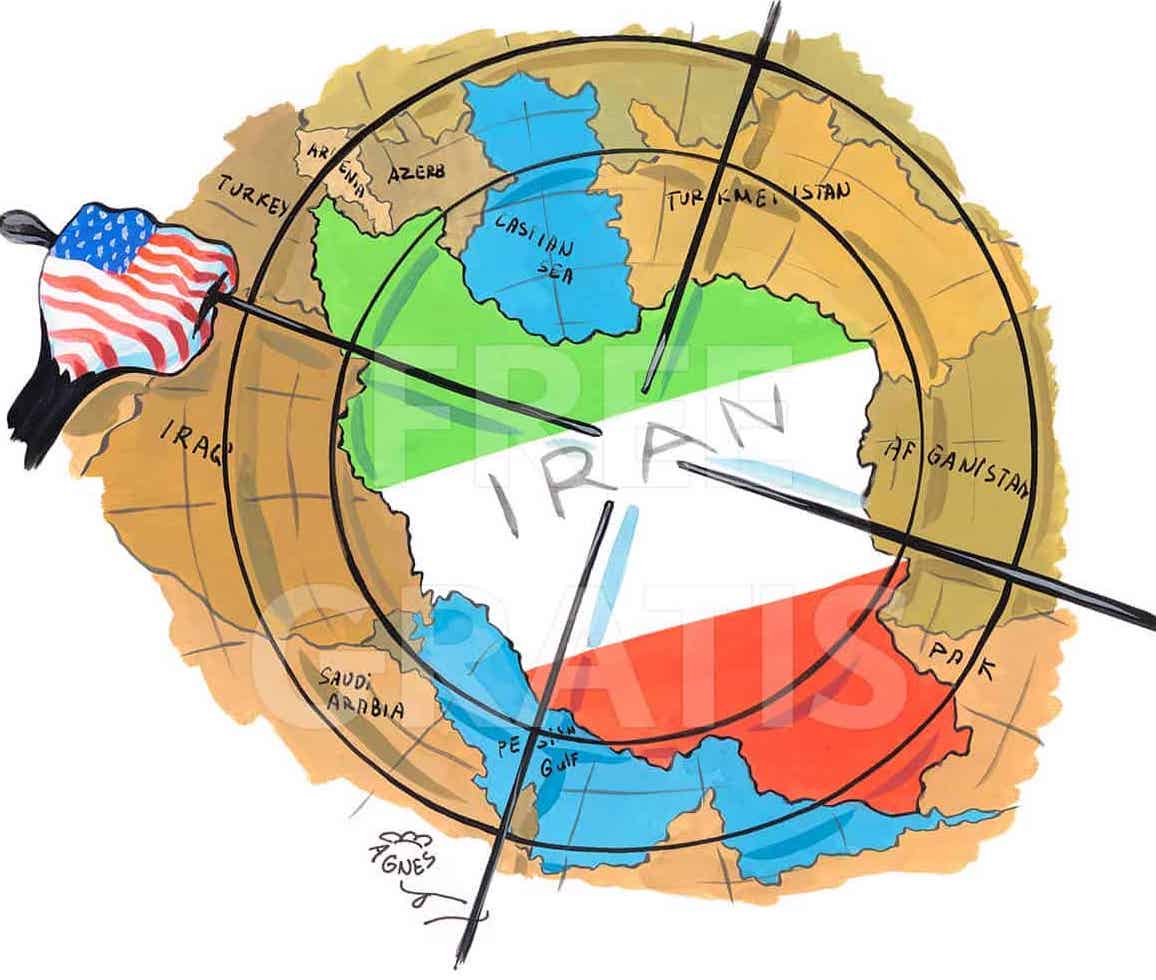
As mentioned previously, the Strait of Hormuz pushed 20% of the global supply of oil. It is a small, narrow, vital marineway that sits between the Iranian coast to the North and East and the Saudi Arabian coast to the south and west. The petro states Kuwait, Bahrain, Qatar, and the United Arab Emirates all exist along the waterway. within it.
These countries collectively produce an extremely large amount of oil. With the straight being closed, they can no longer sell it on the global market. This has led to a dramatic decrease in oil supply, which in turn, has led to much higher prices.
How have the Iranian’s been able to close the strait so easily?
There have been almost zero ships heading out of the Strait of Hormuz, despite a massive American naval presence that one might think could escort tankers safely. This is because the Iranians need only a plausible threat of damaging a tanker. They do not require the capacity to destroy every ship that comes out.
The insurance companies have no incentive to cover tankers when there is such a large risk that they will actually have to insure an exploded tanker. So in turn, oil and shipping companies will not risk entering or exiting the strait without insurance, in case they have to cover the uninsured cost of a blown up ship.
Even with a Navy that costs more than China’s entire military, the second largest military on earth, the US cannot stop the threat Iranian drones or missiles pose to tankers.
How bad can things get?
Crude oil prices are currently fluctuating around 100 dollars a barrel. According to many economists, this is actually below what they previously expected (or predicted) in a situation where Hormuz is closed.
A key reason for this is president Trump’s sweet talking of oil prices. He has repeatedly insinuated that the war could be wrapping up soon, by way of claiming that the US is in talks with Iranian officials. By doing this, it raises future expectations for the supply of oil, even if the actual supply on the market would normally make the price much higher than it already is.
President Trump has also threatened bombing the energy infrastructure of Iran, a war crime under international law, if they don’t allow ships through the Strait. Iran has responded to these threats with threats of their own, involving the bombing of oil extraction infrastructure in US aligned gulf states. If this actually occurred, it would raise oil prices in the short term from very poor expectations, and it would raise prices in the long term even if the war ended in a week, as the destroyed infrastructure could take years to repair.
What steps can the U.S. take to bring prices down?
A controversial step the U.S. has already taken to bring prices down is actually letting Iranian owned oil tankers through the strait, and reducing the long-in-place sanctions on Iran.
Yes, the U.S. is allowing Iranian ships through the Strait while Iran blocks all other countries from doing the same. This means that Iran is selling oil at the heightened prices the mostly-closed Strait has produced.They are indeed making more money per shipment than they were when the strait was still open.
The U.S. is attempting to increase the global supply to reduce prices, though it hasn’t been fruitful yet.
It is likely that the only way to truly open the Strait and get oil flowing again is a ceasefire or peace agreement between the US and Iran, that involves opening the strait. Until then, it will, in all likelihood, remain closed, and prices will continue to rise.