























New laws have transferred draft registration from individuals to the government. Starting December 18, the Selective Service System (SSS) will begin automatically entering male U.S. citizens aged 18-25 into the military draft. By eradicating self-registration, the SSS is streamlining the process, removing potential error, and eliminating choice.
The Selective Service System, or SSS, is an independent federal agency that maintains a list of men who could be subject to military conscription. 28th President Woodrow Wilson passed the Selective Service Act of 1917 following the U.S. declaration of war on Germany. This allowed the United States to raise a national army by conscription and created the Secret Service System.
Historically speaking, men between 18 and 25 were required to register themselves for the draft. They could fill out a form on the SSS website, check a box on driver’s license applications, or fill out forms at a post office. Failing to register before the age of 26 was considered a federal offense. Potential penalties included ineligibility for federal student loans, fines up to $250,000, up to 5 years in a federal prison, and rejection of a driver’s license request.
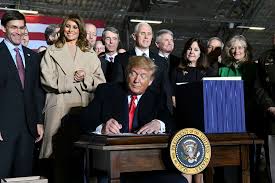
President Donald Trump signed the National Defense Authorization Act (NDAA) into law in December 2025 after it passed Congress with bipartisan support. Section 535 states the specific changes in draft registration.
The transition to an automatic draft may be streamlining the process, however it is also fully removing individual consent to the draft. For many, being inserted into a list for potential combat without making the voluntary choice to do so, is deeply upsetting. They may not have to place themselves into the system anymore, but they’re also not given the right to remove themselves from it.
Along with the issue of personal choice, the automatic draft system raises concerns about civil liberties, government surveillance, and privacy. It re-opens debates about the legal standing of the state over the individual. Federal agencies separate from the SSS are able to access these files which will contain information on every male citizen aged 18 to 25, making it a system vulnerable to misuse.
According to the White House press secretary, Karoline Leavitt, a draft is “not a part of the current plan,” but President Trump “wisely keeps his options on the table.”
