






















Nearly 70 days have passed since the Iranian conflict began. The United States and Iran met multiple times in Pakistan. The Pakistani government volunteered to host peace negotiations. The two countries agreed to a two-week ceasefire on April 8th; the ceasefire was later extended indefinitely by President Trump. But now, the two countries are stuck in a standstill.
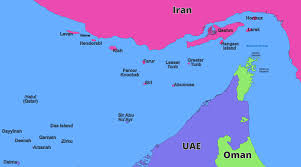
Currently, the Strait of Hormuz is effectively closed. When the ceasefire was first agreed upon, the strait would have been opened, according to Iran. Shortly after the ceasefire took effect, the IDF (the Israeli Defense Force) began to ramp up attacks on Lebanon, hitting the south and the suburban areas of the capital, Beirut. The IDF continues to claim they are targeting the militant group Hezbollah, which is heavily supported by Iran.
Extensive civilian casualties were inflicted in Lebanon; the Israeli strikes were condemned by both Human Rights Watch and Amnesty International. Iran expressed its anger at the strikes and reiterated that Lebanon was part of the ceasefire. The US and Israel denied these claims, while Iran referred to a statement by the Pakistani Prime Minister.
The Pakistani Prime Minister Shehbaz Sharif posted on April 7th a statement on X, formerly Twitter, “I am pleased to announce that the Islamic Republic of Iran and the United States of America, along with their allies, have agreed to an immediate ceasefire everywhere, including Lebanon and elsewhere, EFFECTIVE IMMEDIATELY.”
This message from Pakistan’s Prime Minister reasserted Lebanon’s being in the ceasefire. The US and Israel denied this as a misunderstanding, and the Israeli government continued to express its need to target Hezbollah. About a day after the ceasefire directly following the bombings in Lebanon, the Iranian government re-closed the strait, citing the attacks on Lebanon as the reason. This caused the deadlock of shipping in the strait to continue.
Currently, the US and Iran are engaging in peace negotiations, though the situation is still unstable. The United States has formed a naval blockade around the strait and has been attempting to escort ships through while simultaneously blocking Iranian ports. Several media agencies in the Gulf reported that US vessels and Iranian vessels exchanged fire in the strait.
On May 11th, President Donald Trump said the ceasefire is “on life support.” Negotiations have largely stalled; neither country can reach a clear consensus on a peace agreement.
The world economy continues to feel immense strain. With global energy markets at extreme highs, the price of oil has risen substantially. Current estimations show that even if the strait opened tomorrow, it would still take months for the global energy markets to recover. Even with the US naval blockade in the region, energy prices continue to rise to catastrophic levels. As the impacts of this war are felt in the region and across the world, many people are hoping for a swift end to this conflict.