


























In a world full of misinformation, it is vital that, as individuals, we work to become and help others stay well-informed. If people promote a story, whether it is true or not, it can significantly impact our society.
Before protesting, arguing, voting, or otherwise advocating for something, we must remember why we’re taking action. Who are you advocating for? What are you fighting against? Ask yourself, “Is this true?” and “Am I advocating for something I know enough about?”
People in the US tend to use opinions and facts interchangeably. This leads to the truth getting blended in with misinformation.
“Some people are hand-fed misinformation by their parents,” sophomore Tylee Vandeplas said. “Just reading articles and news from anywhere isn’t enough; you must be sure your sources are reliable.”
Unreliable sources and misinformation contribute to arguments; according to the American Psychiatric Association, two in five Americans reported arguing with family members over controversial topics. Many people have different opinions from others as a result of different or a lack of education. It’s important to understand that someone you may disagree with could be getting their news from social media feeds and other biased or invalid sources.
Misinformation is a huge issue and can lead to violence or misunderstanding. One person’s opinion, if treated as fact, could spread like a social virus. Facts are concrete, proven, and objective information that does not change depending on how you view them. Opinions are how you view or evaluate the facts presented to you.
“There are so many little logistics, some are not as important, but the ones that are are really important to understanding the whole of what’s going on,” Freshman, Vasilisa McCutchan said. “Talking to people I know who are not quite educated is not going to have a point to it.”
By saying this, she means that there’s a difference between talking to someone with a different opinion from you and talking to someone uneducated on a topic. If someone just has an alternate opinion, you most likely can find common ground as long as you’re both educated. Debating a person on a topic they don’t know enough about is useless because they don’t know enough about what they’re talking about.
It’s really important to understand why you should know more than just the broad facts. Similar to how an object looks different from further away, once you get closer, you can interpret it differently by knowing more. You should truly understand what you’re speaking about before you spread your opinion. On large issues, there are so many perspectives and small details that can have big influences.
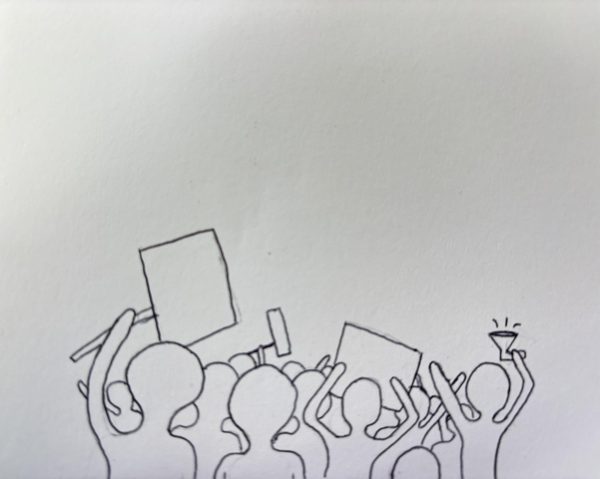
While many people are educated and their differences of perspective could be coming from opinions, you mustn’t be influenced by anything until you know the full factual truth. If you hear or see something, concerning or not, I strongly encourage you to research reliable sources before you speak on any topic.