
























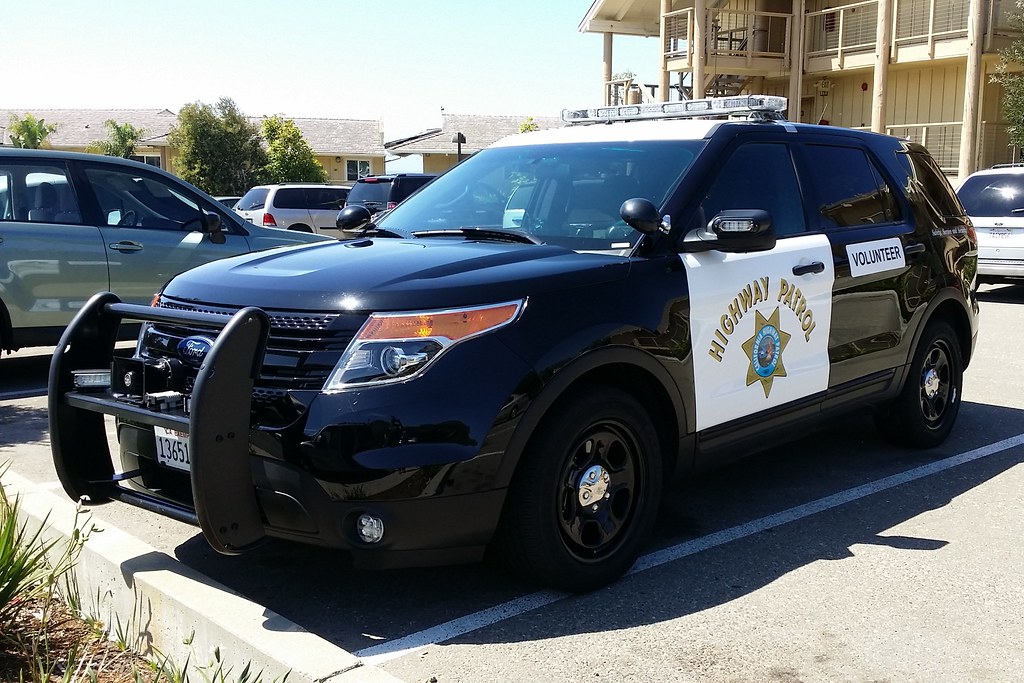
It’s a late afternoon, school just got out, your music is blasting and you are following the flow of traffic. For a sophomore with a new license, this is total freedom, until you see the flashes of red and blue in the rearview mirror.
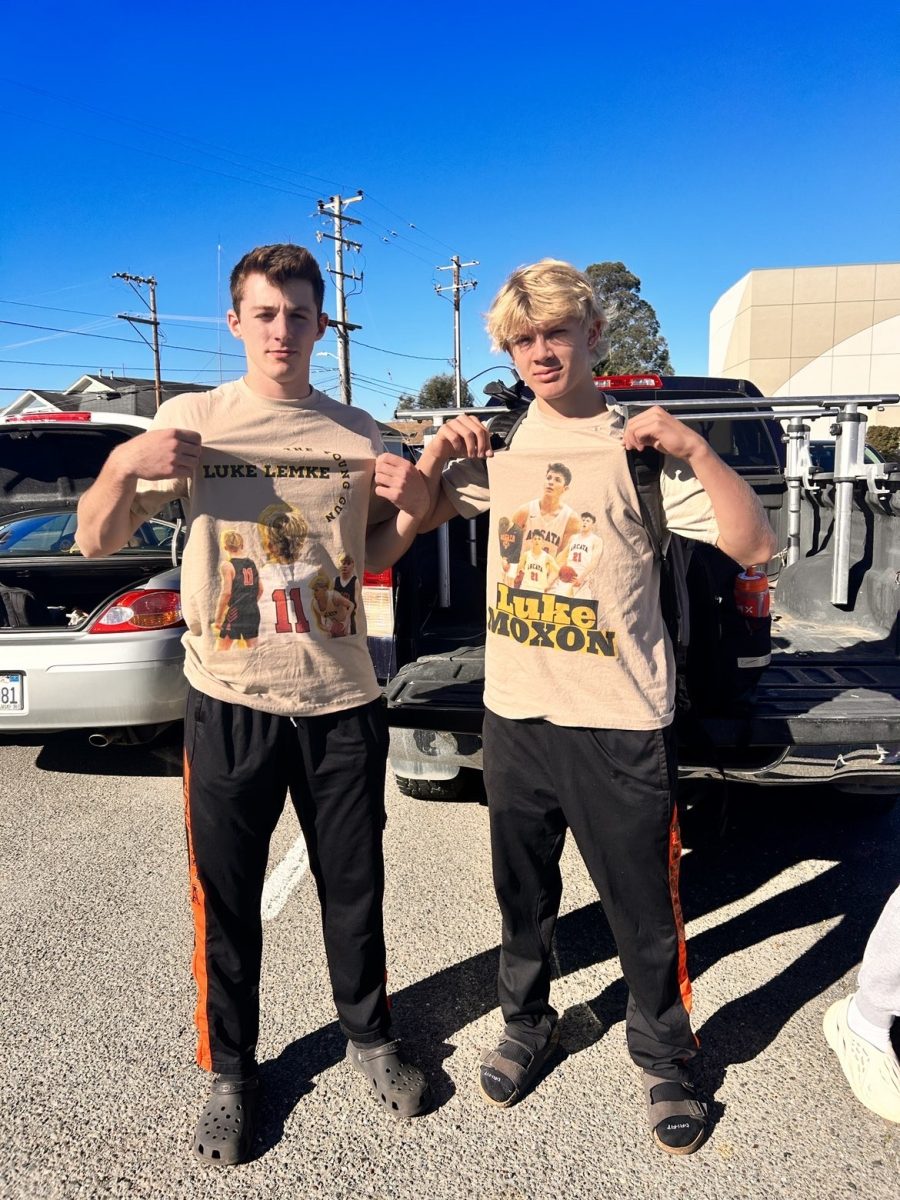
The volume of officers as of recent seems to be elevated according to students. “Every day on the way to school and back I see at least one or two people pulled over,” senior Owen Kaufman said. “Only a couple months ago you would never see anyone pulled over.” According to the California Highway Patrol (CHP), “maximum enforcement” periods are happening to combat speed related fatalities as a part of the new FAST program. The FAST program’s goal is to combat speeding by holding reckless drivers accountable and usually suspending extreme speeders licenses.
CHP officers are experts at tucking into hidden gaps under overpasses or behind bushes. With a new wave of sophomores hitting the highways and recent crackdowns, those flashing lights are becoming a more common sight for first time drivers who likely have no clue what to do next.
So what should you do?
The moment you see those lights in your rearview, you should pull into the closest safe location. Turn off your music or any other distractions, roll down your window, and place your hands on the steering wheel where the officer can see them. Try to keep your nerves in check and remember the correct procedure.
“The most important thing is being respectful,” Kaufman said referring to the first time he was pulled over after speeding. “I just answered the basic questions and I got away scot-free.”
When the officer comes up, they will probably ask for your license and registration as well as proof of insurance. Have these ready before he gets to the window. If you need to grab anything, tell the officer what you need to grab and where prior to your movement and move slowly.
Many new drivers make a mistake by consenting to a search of your vehicle. An officer can ask to search your car, but you don’t have to say yes. Politely and clearly say, “I do not consent to a search.” It is your legal right under the 4th amendment, and using it is not the same as being uncooperative. Although if a police officer has probable cause, they can search your car nonetheless.
Beyond telling the officer very basic identifying information, you are not obligated to answer questions about where you are from or where you are going. Staying quiet is entirely legal, but lying is not. If you don’t want to answer, don’t.
What you should never do is argue, get out of the car without being asked, or give the officer an attitude. Even if the stop seems stupid or unfair, you should not try and fight it on the side of the road. Save disputes for later in proper legal settings.
Getting pulled over as a new driver is scary, but knowing what to do makes all the difference.