























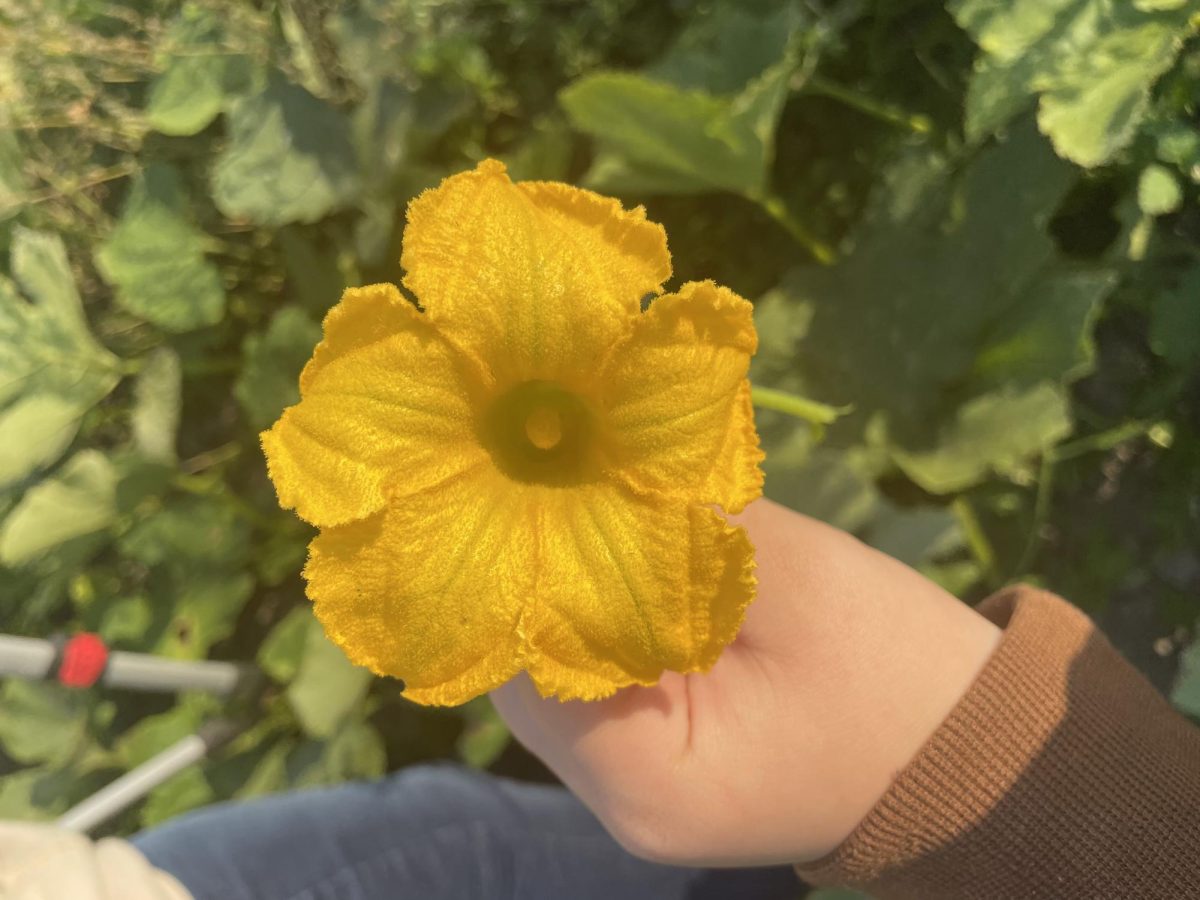
Looking back, when I was young, I remember finding little Acmella Oleracea (small yellow buds) on the ground in the grass, or finding little dandelions and taking a few, maybe even chewing on the stem for that sweet taste. I used to think all plants were edible, from small blades of grass to the rough bark of trees. But really, not all plants are edible; some can be very sweet like fruits, or surprisingly salty, like pickleweed, or utterly poisonous like poison oak. It may look like a pretty leaf, but don’t touch it, or you’ll get little red bumps.
Of course, we all know you can use herbs as spices and flavoring in soups or stews, or just about anything you cook. But did you know that you might have passed by some that are just growing out of the ground? Or, if not growing from the ground, you can find beaked hazelnuts lying on the ground, fallen from trees. These are best roasted over an open flame.
Wildberries are found along trails in the marsh, forests, and even backyards all around Humboldt Bottoms. Blackberries, raspberries, and huckleberries too, grow out of whatever patch of grass with a fence alongside it. Late summer and fall are typically when you would start to see tiny white flowers blossoming into the tasty sweet berries you know.
Miner’s lettuce, a small clump of greens that has a flower shape, is native to California, growing in early spring and commonly used for salads, also high in vitamin C. Throw in a couple of dandelions and California Poppies, and you’ve got one very yummy salad.
Tritelia, small clusters of purple flowers, are also very nutritious and can have a sort of potato taste to them. Wood rose can be eaten raw from the petals to the stem, and can range from either bland to sweet tasting, commonly found in mountains and canyon areas.
Of course, you can never be too careful when eating wild plants from the ground or forest; you might end up eating stinging nettle that hasn’t been roasted or cooked properly.
