




























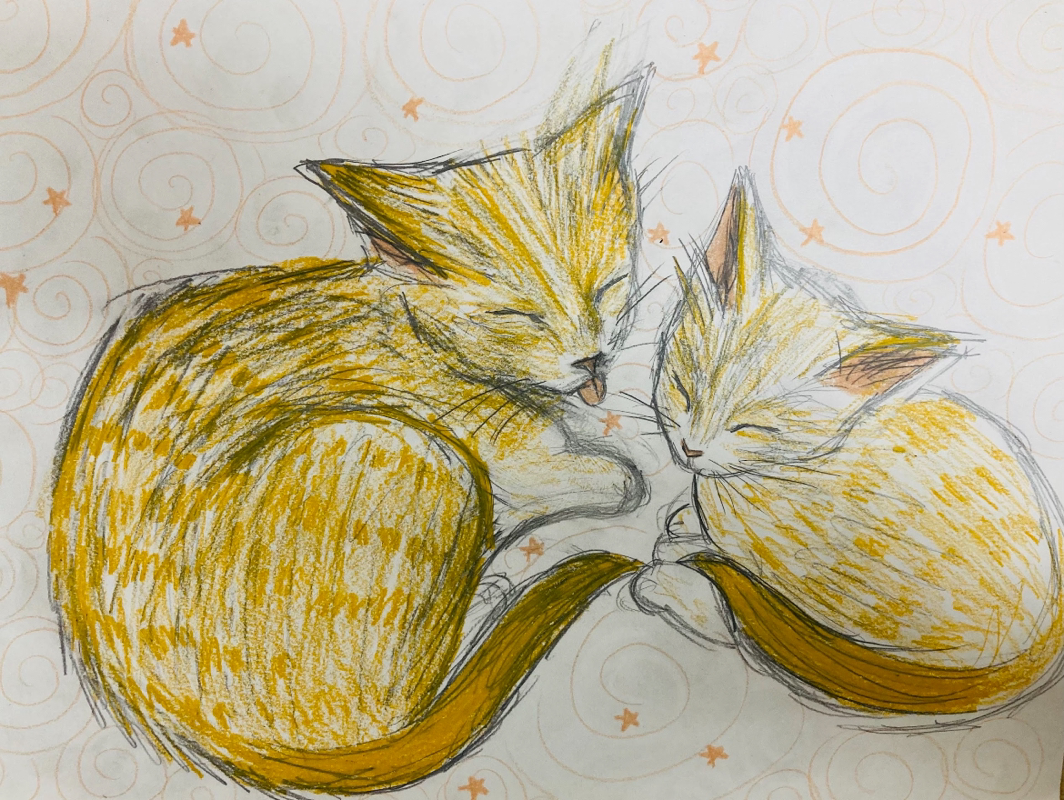
When the Vet tech enters the exam room there is a lot that they need to know in order for them to have a successful encounter with the animals. They sterilize the surgical instruments, assist in draping the sterile field, and monitor the anesthesia that is being administered, which results in a successful operation. After the procedure, when the anesthesia wears off, the puppy slowly regains consciousness to notice their owner waiting patiently for them. His tail wags. Seeing the light in his eyes makes the job all worth it.
Working as a vet tech is much more than cuddling tiny fuzzy kittens and fluffy puppies. A lot goes into the career of being a veterinary technician, from schooling, exams, to the emotional distress of working with pets in animal clinics.
Registered Veterinary Technicians are educated professionals who help veterinarians care for animals by assisting in surgeries, performing laboratory tests, monitoring anesthesia, taking X-rays, placing IV catheters, running diagnostic procedures, and caring for hospitalized pets.

In California, becoming a Registered Veterinary Technician requires completing a program approved by the California Veterinary Medical Board and the American Veterinary Medical Association (AVMA), which can take about two or three years, depending on the program. Students can complete veterinary technician courses at community colleges or online with programs such as Penn Foster. After completing the program, students have to pass the Veterinary Technician National Exam (VTNE) in order to become a licensed veterinary technician.
Adriana Mendel, a Registered Veterinary Technician at Broadway Animal Hospital, explained the reality of working in the field.
“Burnout can be a big thing,” Mendel said. “You have to kind of cry in the corner and then put on your happy face and walk into the next room.”
Another challenge can be compassion fatigue.
“There’s a lot of euthanasia of pets that we’ve been taking care of for years. You may have known them as a puppy or a kitten. And now you’re kind of seeing them at the end stages of life,” said Mendel.
Despite the emotional demands of the job, some moments make it all worth it.
“The first time you get hissed at again, and you’re like, ‘Oh my god, you’re feeling better,” Mendel said.
Once an animal starts to eat again, responding to the treatment, recovering from surgery, they can go back to their normal spicy kitten or grumpy dog behavior, which signals progress to the veterinary team.
For students interested in the field of animal science, becoming a veterinary technician is a flexible career that combines science, mathematics, and hands-on learning. Getting to see tons of cute puppies and kittens is just a bonus of having the job of a veterinary technician.
