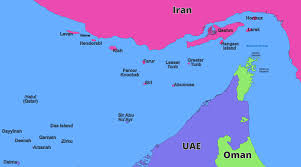











Troops from the 22nd Marine Expeditionary Unit (MEU) started a several-day training course in Trinidad and Tobago, near the Venezuela Coast, from November 16th to 21st. In a post from the U.S. embassy, Embassy Charge d’Affaires Dr. Jenifer Neidhard de Ortiz said that the exercise is meant to “promote regional stability, counter transnational threats, and enhance disaster response capabilities.”
A report made from a government website (Military.com) says this mission is a “multi-agency effort to disrupt narcotic networks, strengthen partner defenses, and block illicit actors in the Caribbean.” The spokesperson at the U.S. The Embassy in Trinidad and Tobago, Dr. Jenifer Neidhard de Ortiz, added that the operations also include expanding intelligence sharing among U.S. agencies and regional partners, conducting joint training, and enhancing partner nation capabilities through advisory teams and combined missions.
The mission focuses on disrupting the flow of illegal narcotics before they reach the United States and partner nations like Colombia, Peru, Ecuador, and Mexico. According to the U.S. Southern Command, this training will include night sessions throughout the country. Venezuela announced that it is mobilizing nearly 200,000 troops in an exercise of its own in response to the deployment of the Ford Carrier Strike Group. The Trinidad and Tobago Defense Force said their forces will train in rural and urban areas at dusk and night.
Rising tension between the United States and Venezuela started this conflict, originating from U.S. strikes on alleged drug trafficking boats in the region. Forces deployed in this situation are U.S. forces, including a carrier strike group, Marines, long-range bombers, and thousands of troops and aircraft within close reach of the country. This was first announced by the Trinidadian attorney general, The Honourable John Jeremie SC said the U.S. would “intensify” exercises in the country.
The foreign minister later said the joint drills were not a precursor to any military action against Venezuela. The United States accused Venezuelan President Nicolas Maduro of connections to several drug cartels designated as foreign terrorist organizations. President Nicolas Maduro says these drills are “irresponsible.”
As the U.S. attacks on small boats in the Caribbean increased over the fall, bodies began washing up on the shores of the island nation. The New York Times reported the corpses having missing limbs and burn marks, suggesting they were killed in the drug boat bombings.
The week of exercises came as the USS Gerald R. Ford and its carrier strike group entered the Caribbean, days after the aircraft carrier arrived in SOUTHCOM’s area (SOUTHCOM being areas like South America, Central America, the Caribbean Sea, and adjacent waters.) The 22nd MEU deployed to the Caribbean with the Iwo Jima Amphibious Ready Group in August.
Troops from the unit traveled to Jamaica as part of the wider U.S. disaster response after Hurricane Melissa ravaged the country in September. U.S. forces regularly train in the Caribbean and have a large naval presence. In August, Air Force special operations commandos drilled in the region, practicing airfield seizures and other raiding tactics.
Venezuelans living in the U.S., Colombia, Peru, and Spain say that the military presence near their homeland revives trauma tied to past unrest and repression. Venezuelan families are worried that their loved ones in Venezuela could become targets or collateral damage if these tensions escalate.
