
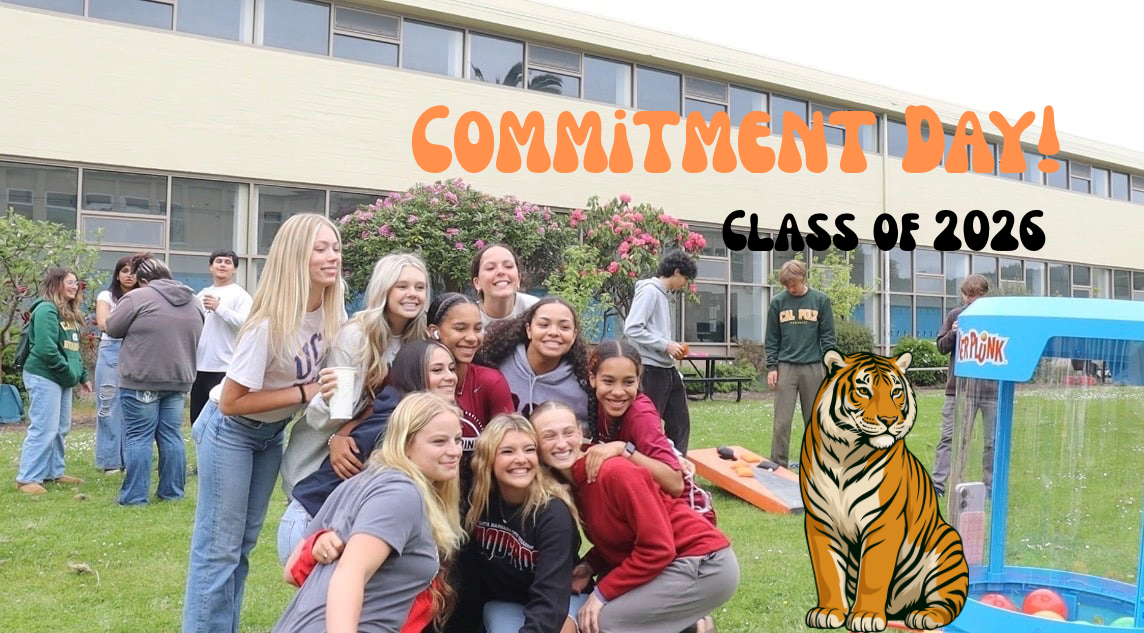





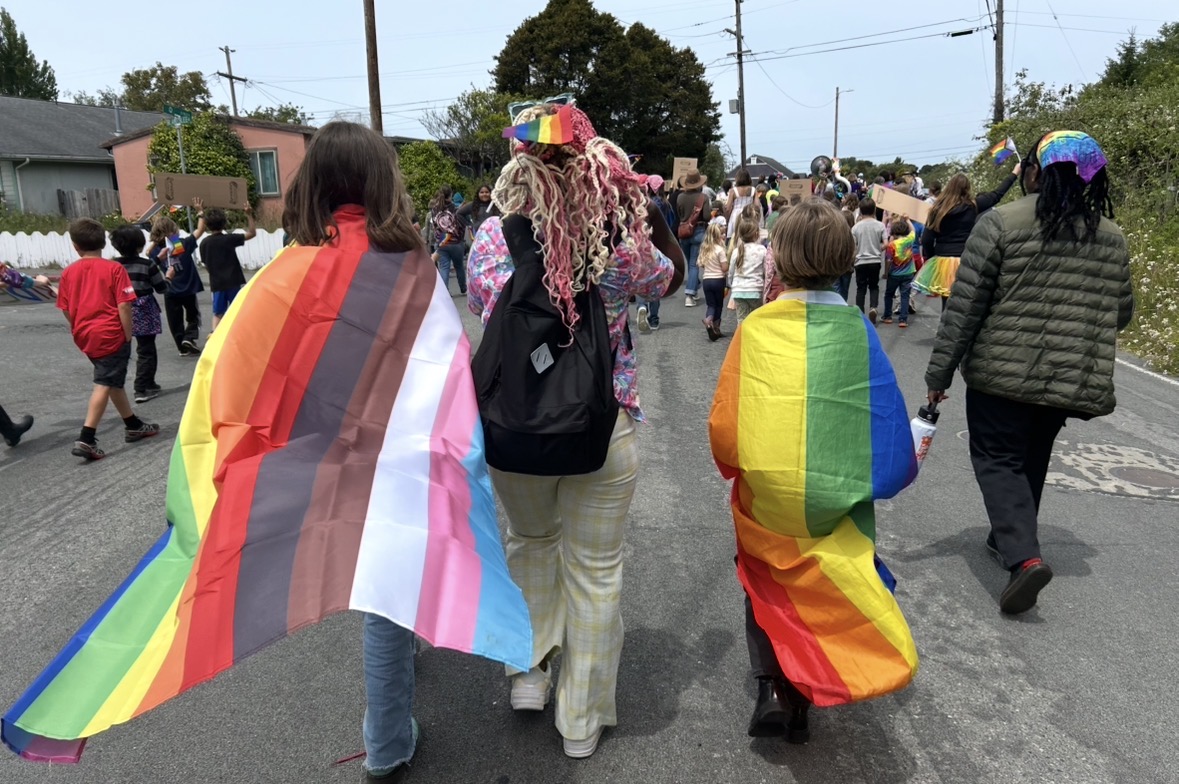















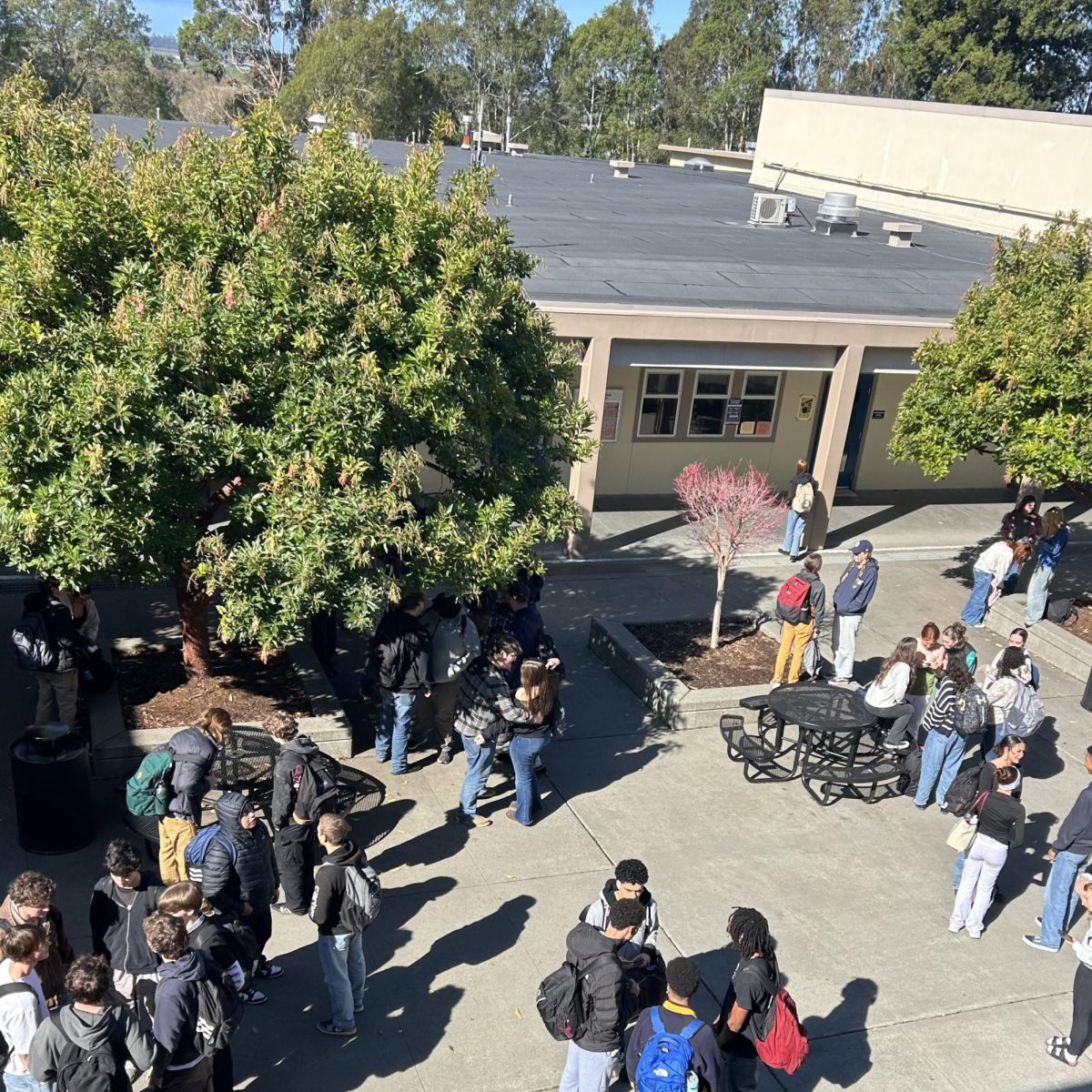
When people think of high school, they may think of scenes in the movies where stereotypical cliques are seen left and right. Students group with similar personalities, interests, and hobbies; what is seen in the movies, may not be reflective of reality. Friend groups and high school can be considerably more blended.
“I don’t think I see a lot of stereotypical cliques around campus, but I do see a lot of different groups,” sophomore Zeni Pittman said. “It’s just not like the movies where there’s like the jocks and the cheerleaders.”
Having a solid group of friends is critical during school. Having friends offers a different level of emotional support that may not be found in family, pets, or hobbies. Friends, especially ones you can trust, foster a good sense of belonging.
“I think it’s very important to have good friends in high school,” senior Harper Appy said. “It gets you to do things you normally wouldn’t. I can put my trust in people who will always support me, no matter what. Even if it is a sensitive subject.”
The number of people someone surrounds themselves with can also have a big impact on a high school experience. The people you surround yourself with have a direct correlation to mental health and attitude.
Senior Maya Bones recalled a time when she performed at a dance competition, but did not get the score she had hoped for. Her friends did their best to comfort her and assure her that despite her score, she did great. She said her friends provided great comfort to try to help her get over the loss.
Smaller friend groups tend to provide more emotional support and a higher level of trust. Vice versa, larger friend groups may provide more opportunities for drama and peer pressure. However, this is not a golden rule, and friend circles are not “one size fits all.” Small friend groups can also have more intense conflicts and a lack of perspective, while larger groups can further develop social skills and offer diverse outlooks.
Many people try to find a happy medium. A mix of the two is often where people feel drawn to.
“I have three or four close friends. I’ve also gained and lost plenty of friends; it just shifts a lot. I prefer a small inner circle of close friends,” said freshman Audrey Walton. “But, I have a lot of people I’m pretty friendly with outside of my group.”
Many students also find themselves with multiple friend groups. Having more than one circle can improve mental health by reducing dependency on one group of people. Users on social media have coined the term “floater friend” to describe someone who lacks a set group of friends. While people familiar with this term often deem it a bad thing, that may not always be the case.
Junior Braden O’Brien said, “You have more connections, and it just expands your own thinking and social awareness. It can be hard to manage sometimes, like hanging out with certain people and keeping those connections, but it’s nice having a lot of friends.”
Friendships support you and offer an emotional pillow. Friends understand you on levels no one else can. Good friends bring out the best in you. They surround you with laughter and fun, but also allow spaces of comfort. It is very important to find your people, whether you have one friend or ten. Quantity does not always trump quality. Having a solid circle of friends creates a much more positive atmosphere in high school.