

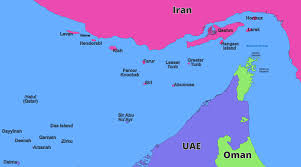


























With the U.S. and Iran conflict continuing, the Strait of Hormuz has had a 94% drop in traffic. Because of this closure, energy markets are experiencing the largest price increase. Oil and gas increased sharply, while heating oil, crude oil, and Brent Crude all rose by 5.8% to 50.4%. The Strait of Hormuz is important as a global energy chokepoint and creates market concerns about supply disruptions.
Crop markets increased as well, going from 3.6% to 8%. These numbers provide evidence that the commodity market is being affected by this conflict, but the more immediate impacts were concentrated on the energy market. According to Successful Farming, Large-cap equities fell 2.2%, the Dow declined 4%, and a widely used measure of expected volatility in the S&P 500 rose by 11.7%. These numbers prove that the markets affected are not just the commodity markets, but also a broader financial sentiment.
Over the past decades, the U.S. Gulf Coast fertilizer markets had moved through three major price changes, causing a broad fertilizer shock that pushed DAP (Developmentally Appropriate Practice) and MAP (Mutual Agreement Procedure), causing both departments to rise above $700 per metric ton, urea (urea being fertilizers) above $600/MT (per metric ton), potash has been an exception potash prices were largely unchanged during the first two weeks of the attack on Iran and have only recently risen slightly above $330/MT, and UAN (Universal Account Number) above $400/MT at their peaks. Every metric ton weighs 2,204 lbs, meaning every 2,204 pounds of fertilizer (urea) costs $600. For potash, $330 per 2,204 pounds. Etc.
McNitt stated, “Now the conflict in the Middle East has further complicated access to critical fertilizers…that the duties imposed on countries like Morocco further restrict farmers’ abilities to search for other options. The National Corn Growers Association sent a letter along with other national and state farm groups, including Iowa Corn Growers Association and Iowa Soybean Association, to domestic fertilizer producers, Mosaic and J.R. Simplot, urging them to withdraw their support of countervailing duties on phosphate fertilizers from Morocco.”
According to South Dakota Searchlight, Iran blocked the Strait of Hormuz, an approximately 30-mile-wide channel that connects major Middle Eastern oil, natural gas, and fertilizer producers to the Arabian Sea, in response to joint attacks on the country from the U.S. and Israel. The Fertilizer Institute said in a press release that the closure of the strait could impact ammonia, urea, sulfur, phosphates, and natural gas markets. A study from the Agricultural and Food Policy Center at Texas A&M University states that they “found that the countervailing duties increased the cost of phosphorus by about 6.9 billion for the 2021-2025 growing seasons.”
Corn Farmers in the U.S. are bracing for even higher fertilizer prices due to the Iran conflict. Corn Farmers are approaching a fourth year of negative yield due to low corn prices and high input costs, which include fertilizer. The growers association renewed its call on Congress to legalize year-round, nationwide E-15, a higher blend of ethanol fuel, and the removal of duties on fertilizers.
According to South Dakota Searchlight, Lesly McNitt, vice president of public policy for the National Corn Growers Association, said: “There is not enough domestically produced fertilizer to meet demand, which means imported fertilizer is vital to farmers.”
