





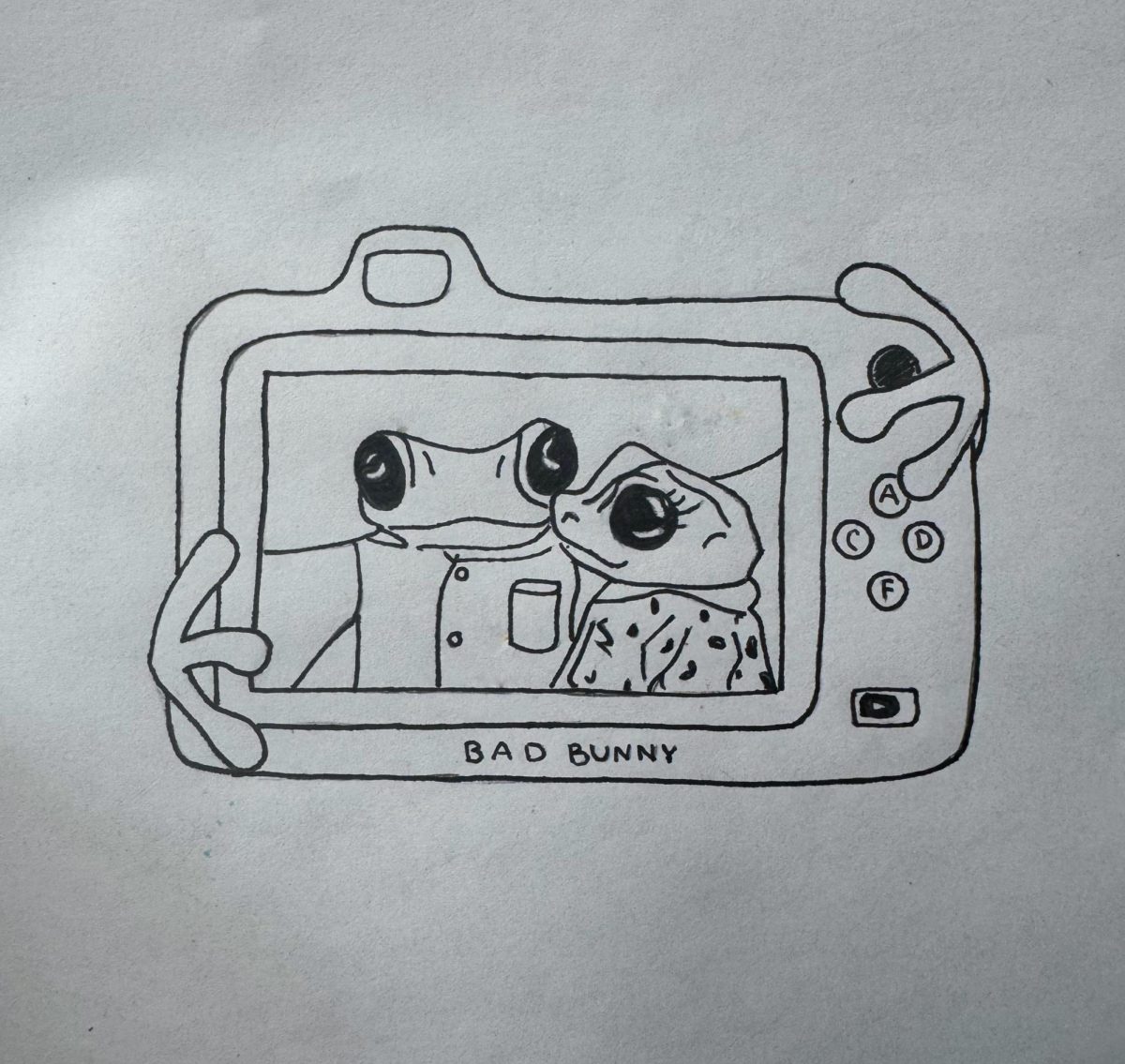





The room erupted when Harry Styles announced Bad Bunny’s album Debí Tirar Más Fotos as the Album of the Year at the Grammy Awards. Instead of jumping up immediately, Bad Bunny first stayed seated alone at his table, hand over his face, eyes closed, overwhelmed. Tears streamed down his cheeks as the applause rolled through him. For a moment, he just breathed in. Then he finally stood up, smiling, and walked to the stage. When he began his speech with “ICE out,” directly referencing immigration enforcement, it was clear this was bigger than music. It was a statement.
He dedicated the award to “all the people who had to leave their homeland, their country, to follow their dreams.”
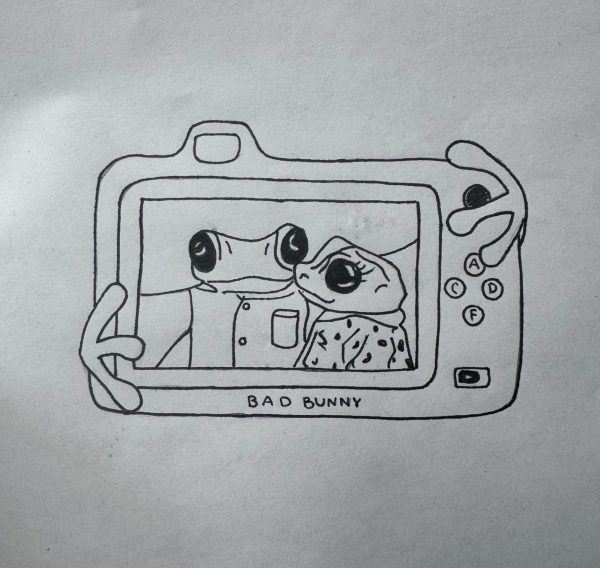
That moment symbolized his impact because it placed immigrants and displaced families at the center of one of the most powerful stages in American entertainment. For many Latino households, especially Puerto Ricans and first-generation Americans, it felt like recognition. It felt personal. Pride spread across communities that rarely see themselves reflected so visibly. At the same time, critics reacted with discomfort, arguing that award shows shouldn’t be “political.” But for others, his words were not politics; they were reality.
That night, Bad Bunny became the first artist to win the Album of the Year award for a Spanish-language release. “The only thing that is more powerful than hate is love,” Bad Bunny said. “So please, we need to be different. If we fight, we have to do it with love.” His album is about the importance of remembering and honoring the moments with our loved ones before it’s too late. It’s a reminder to enjoy people and to recognise the value of land and culture.
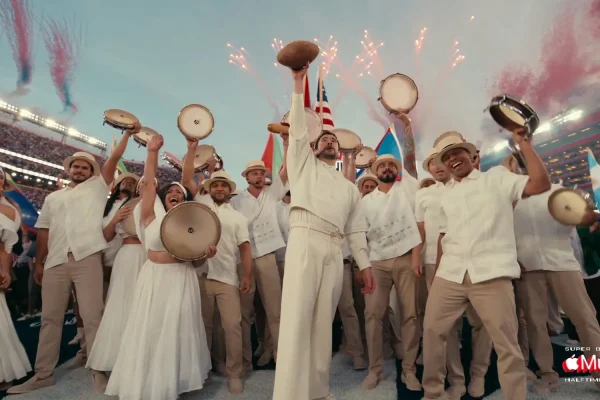
That symbolism carried into the Super Bowl. He performed primarily in Spanish. The Super Bowl has long been framed as a celebration of American identity. Flags of every country in America filled the stage, reinforcing a broader message about identity and belonging. Spanish culture and language are not outside of America, but it is part of it.
His journey makes those moments even more powerful. Born Benito Antonio Martínez Ocasio in Vega Baja, Puerto Rico, he grew up in a working-class family listening to reggaetón, salsa, and bachata. Before global fame, he was a supermarket bagger and cashier while studying communications in college. During breaks at work, he uploaded songs to SoundCloud. There was nothing glamorous about his beginnings. He wasn’t discovered through a major-label machine or reality show. His career started between grocery shifts, built on persistence and digital platforms.
This year, he ranked as Spotify’s most-streamed artist worldwide with more than 19.8 billion streams and the fifth in the US. His stadium tours sold out globally. What makes that success especially significant is that he never switched to English to achieve it. Earlier Latin artists often had to “cross over”, recording English-language albums to reach mainstream American audiences. Instead, Bad Bunny stayed true to himself, and the mainstream followed him.
The backlash surrounding him suggests the conversation isn’t only about music. Critics often focus on his political comments, his gender-fluid fashion, or his refusal to separate art from activism. But underneath that reaction is a deeper discomfort. A Puerto Rican artist from a U.S. territory, openly criticizing immigration systems and challenging traditional masculinity, disrupts old ideas about who gets to define American culture.
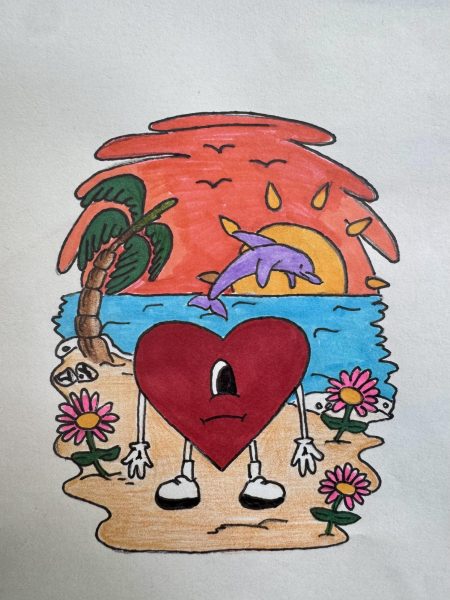
His advocacy connects to Puerto Rico’s complicated political history as a U.S. territory. Puerto Ricans are American citizens but cannot vote for president and lack full congressional representation. By centering Puerto Rican issues in interviews, albums, and performances, he brings focus to topics that US-Americans have historically ignored.
Bad Bunny also redefines Latin masculinity, often associated with machismo, which is an exaggerated sense of manliness where men are expected to be dominant. Instead, he paints his nails, wears skirts, and embraces fluid self-expression.
From grocery store cashier to Grammy winner and global star, his story represents more than celebrity success. It represents shifting language, shifting identity, and shifting power. Whether celebrated or judged, Bad Bunny stands at the center of a social, linguistic, and cultural transformation.
