


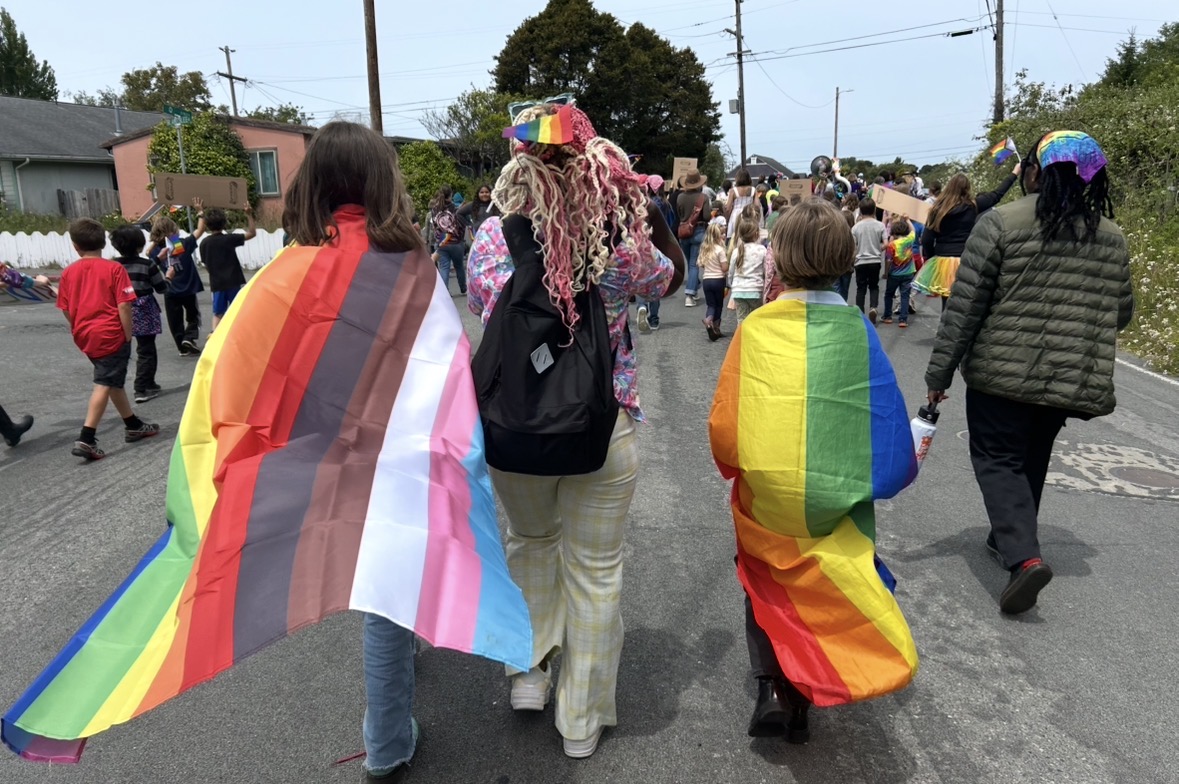







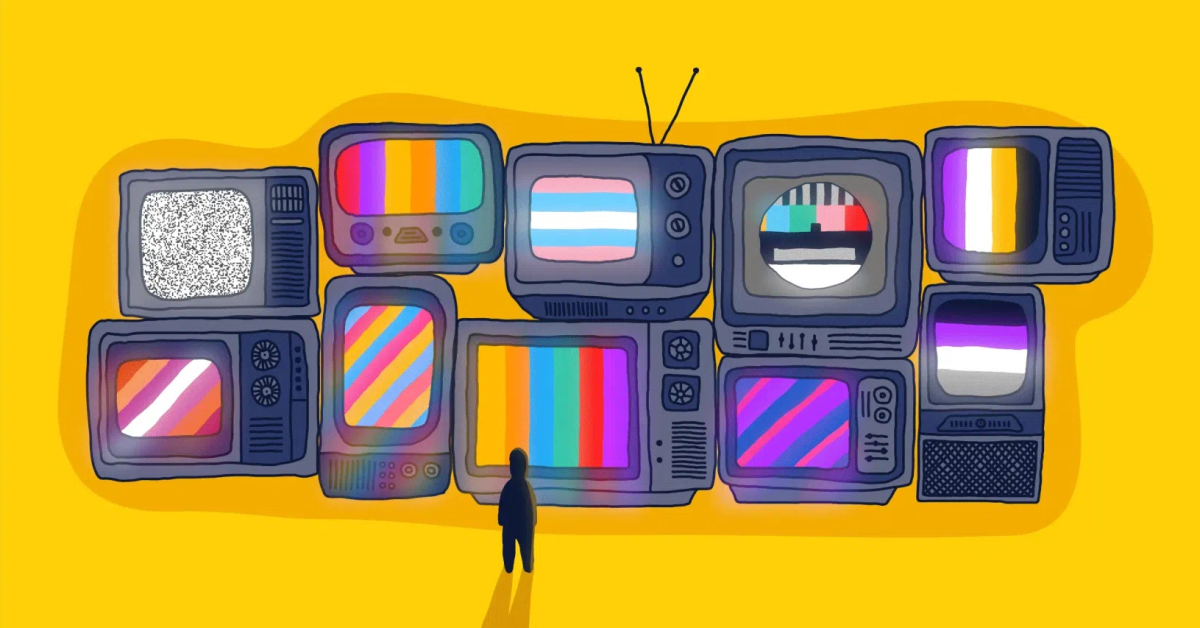
Queer identities have become far more present in the mainstream media today. Online communities and pop culture have created opportunities for acceptance and understanding, yet we still live in an era of uncomfortability and non ideal representation. Portrayals of queer identities can drift towards oversexualization or fetishization, which raise questions surrounding accurate representation, stereotypes, and real-world implications.
This dynamic has developed from the way that fandoms and online spaces have portrayed them as gay. In a world with opinions and fantasies, Shane Hollander from “Heated Rivalry” is an example of an oversexualized character that is now prominent within the digital world. The people who lack depth to the exposure of a queer relationship can carry homophobic ideas, and can’t understand the viewpoint of an actual experience of a queer relationship. Pop culture is obsessing and creating many different communities that celebrate queer relationships in art and fiction, which yes, have had impactful connections with audiences. Although in a Ted Talk, renowned researcher Stacy Smith, a professor at USC Annenberg and founder of Annenberg Inclusion Initiative, argued there aren’t enough women, queer, and disabled representation within movies of and from Hollywood. She also mentioned that there was an “epidemic of invisibility” or even “erasure”. Though relationships in art are impactful, pop culture has pushed their attention towards their own depictions that focused more on romance than everyday reality of queer experience and life.
New genres have emerged from pop culture which formed stories called yaoi and yuri, bringing attention to both gay and lesbian relationships within queer culture. The stories emphasize and dramatize romance and emotional intensity. As the genre spread through many communities, it influenced the way people imagine queer relationships. Historically, similar patterns have appeared before where marginalized groups have been portrayed in exaggerated ways, and now in mainstream media and culture they start appearing again. Early depictions from the 19th century through the 1960s of gay men and lesbian women relied on stereotypes or curiosity driven portrayals. Modern online culture isn’t spot on identical to the earlier periods, but still we reflect on it in a familiar way.
Small trends also show how easily representations can shift towards an aesthetic focus. For example, femboys are men who express themselves with feminine fashion or mannerisms. This can be seen as a celebration of gender expression and fluid identity, yet from the online perspective, it can be more of a fascination than an expression. Fetishization morally dehumanizes someone from an authentic, complicated person into an object of the consumer’s own selfish desires;they become objectified as readers create a fake identity of how they perceive, in this case, femboys. When you festish over somebody you only pick an aspect of their personality to focus on, when that isn’t the real them but more of a figment of your imagination leading you on.
None of this means that romantic or expressive portrayals of queer relationships are all negative. Stories that show queer identity, love attraction and identity are important parts of representation, but it’s still important to be aware of how easily admiration can become fetishization. We can continue to grow without reducing people to trends or fantasies by becoming self aware and focusing on how we shouldn’t fetishize what we don’t have.
