






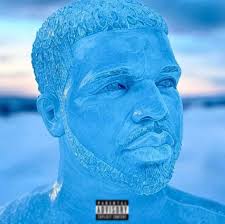













“I didn’t win, America won,” Joseph Foreman, known by the stage name Afroman, dressed in a suit covered in American flags, said. “America still has freedom of speech. It’s still for the people by the people.”
Afroman’s family home was raided in August 2022 by Adams County sheriffs with a warrant obtained on suspicion of kidnapping and drug trafficking. There was no evidence found, and Afroman faced no charges following the raid. To make light of the situation, Afroman released various songs about the experience. In the music videos, he included footage of the officers caught on his home’s security system. The rapper then faced a $3.9 million defamation lawsuit from seven officers portrayed in the videos; the jury unanimously sided with Afroman.
The deputies sued on the grounds of invasion of privacy and defamation. They claimed the footage used in the videos and the lyrics caused emotional distress, embarrassment, ridicule, loss of reputation, and humiliation.
Deputy Lisa Phillips cried on the stand because of lyrics featured in one song that joked about speculating her sexuality. In response, Afroman acknowledged her feelings, understanding that she was upset by the backlash received online following the raid. “Just like I was upset when she was standing in front of my kids with an AR-15 in her hand around the trigger,” Afroman said.
During the raid, one deputy was caught on Afroman’s home surveillance cameras eyeing a lemon pound cake on the kitchen counter with his gun drawn. This deputy became the subject of Afroman’s hit song “Lemon Pound Cake.” In this song, he suggested the officer wanted to put down his gun and cut himself a slice. The music video has since received over 7 million views and is currently trending at the #14 spot in YouTube’s music video category.
Adams County deputies kicked in his door, then attempted to disconnect his security cameras, resulting in the following songs: “Will You Help Me Repair My Door” and “Why You Disconnecting My Video Cameras” on the Lemon Pound Cake album
Afroman’s lawyer team argued that he has the constitutional right to criticize the police department covered by the First Amendment. Afroman also told the court that this whole situation was the fault of the Adams County police department.
“If they hadn’t wrongly raided my house, there would be no lawsuit. I would not know their names. They wouldn’t be on my home surveillance system, and there would be no songs, nothing,” Afroman said.
For Afroman, this case wasn’t just about the Adams County Police Department; it was proof that the First Amendment still holds its ground in the United States.